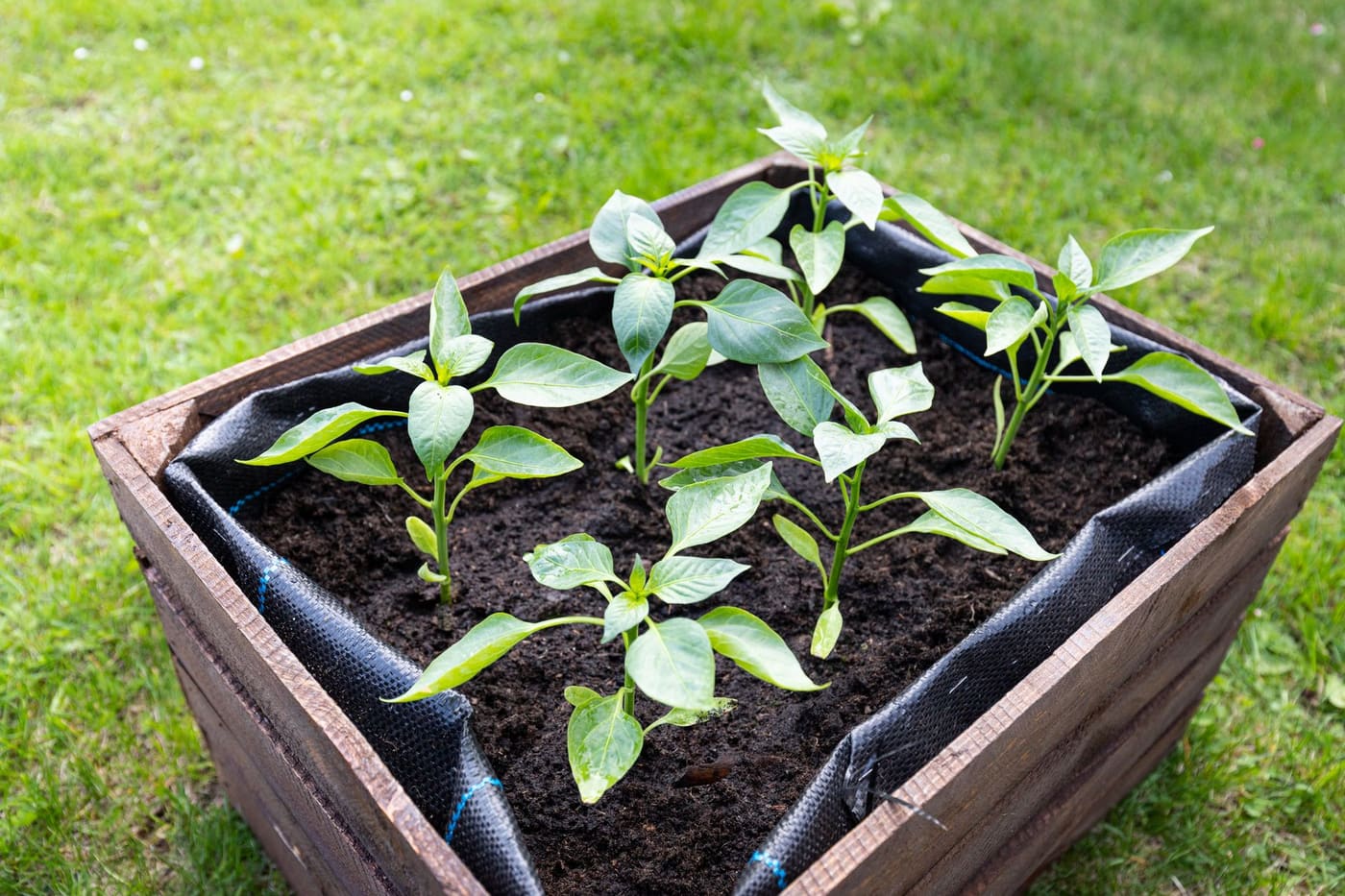
Beginner gardeners do best with fast, forgiving plants: radishes, leaf lettuce, bush beans, zucchini, cherry tomatoes, and herbs such as basil and chives. They sprout quickly, tolerate small mistakes, and give you something to harvest within weeks, which builds confidence faster than a fussy crop would.
The best first plants are the ones that fit your light, your space, and the time you will actually spend. Four to six easy plants beat twenty varieties of which half fail.
Pick based on your conditions first
Before choosing plants, answer three questions.
- How much sun do you get? Count hours of direct sun in the spot. Fruiting vegetables such as tomatoes, peppers, and zucchini generally want 6 to 8 hours. Leafy greens and many herbs manage with less, often around 4 to 6.
- How much space do you have? A sunny balcony can hold herbs, lettuce, and a tomato in pots. A yard can handle a 4 by 8 foot bed.
- How much time can you give? Pots need attention daily in hot weather. Mulched in-ground beds need less watering.
A raised bed or a few large pots in a sunny spot is a manageable start. Guessing light is the most common planning error, because a spot that looks bright at noon may be shaded most of the day. On a clear day, check whether the spot is in sun at about 9 a.m., noon, and 3 p.m. and add up the hours. With fewer than 6, choose greens, herbs, and radishes rather than hoping tomatoes will cope.
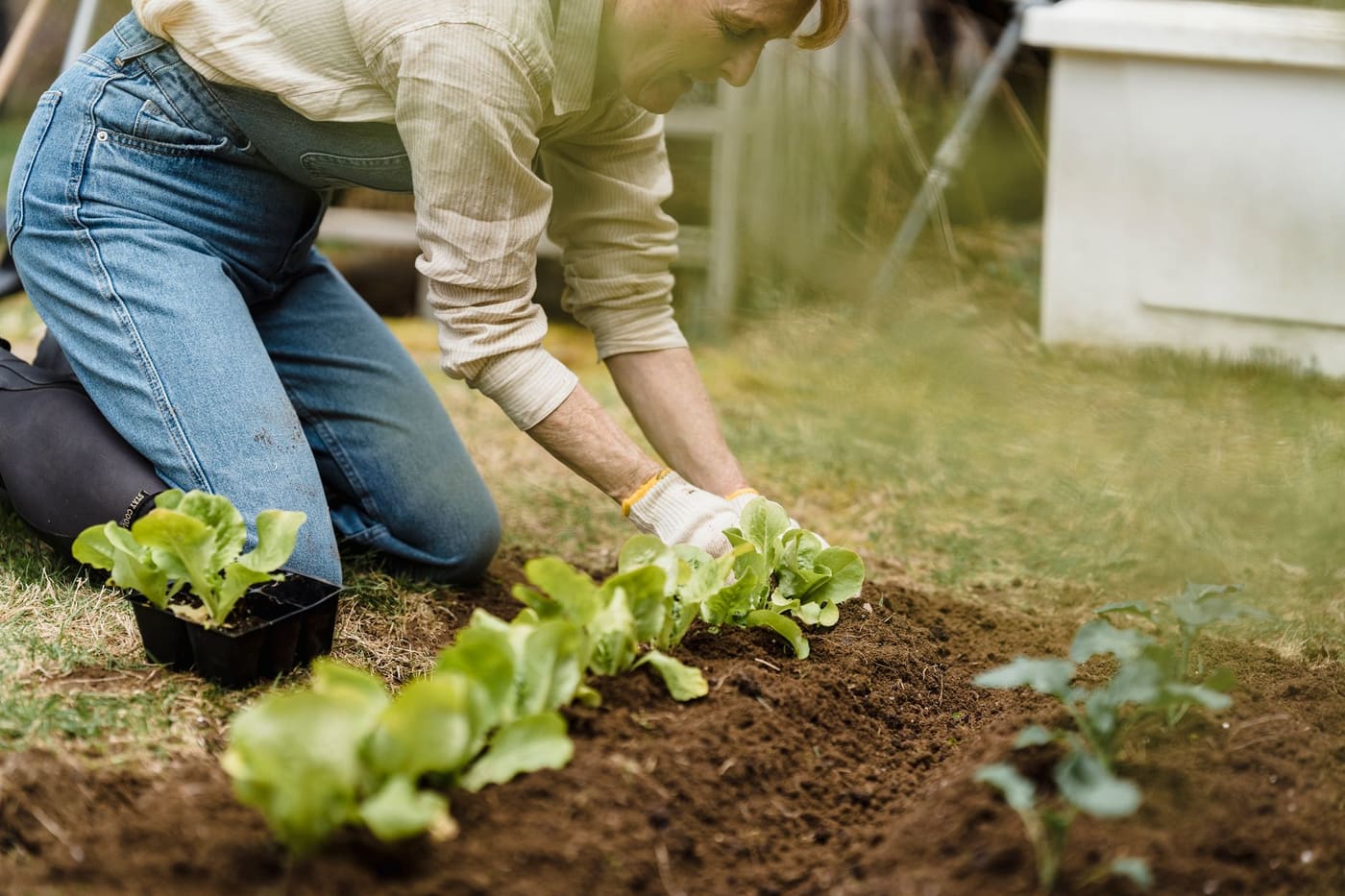
The easiest vegetables for a first garden
These are consistently forgiving. The days to harvest below are rough ranges from seed or transplant; the seed packet or plant tag gives the real figure for the variety you buy.
| Plant | Rough time to harvest | Why it suits beginners |
|---|---|---|
| Radishes | 3 to 5 weeks | Fastest reward, direct sow, likes cool weather |
| Leaf lettuce | 4 to 6 weeks | Cut and come again, tolerates part shade |
| Bush beans | 8 to 10 weeks | Direct sow, no staking, heavy producer |
| Zucchini | 6 to 8 weeks | Very productive; one or two plants are plenty |
| Cherry tomatoes | 10 to 12 weeks from transplant | Productive and tolerant; buy as young plants |
| Peas (snap or snow) | 8 to 10 weeks | Cool-season crop, simple trellis |
| Kale and chard | 6 to 8 weeks | Tough, long harvest window |
| Green onions | 4 to 8 weeks | Little space needed |
Tomatoes, peppers, and eggplant need a long, warm season and are easier from nursery transplants than from seed. Beans, peas, radishes, lettuce, cucumbers, and squash grow well from seed sown directly in the bed.
Easy herbs and flowers
Herbs are small and can be harvested constantly, which makes them a good fit for beginners.
- Basil: likes heat and regular water. Pinch the tops to keep it bushy.
- Chives: a perennial that returns each year.
- Mint: grows almost anywhere but spreads aggressively, so keep it in its own pot.
- Parsley and cilantro: cool-season herbs. Cilantro runs to seed in heat, so sow again every few weeks.
- Thyme, oregano, rosemary: prefer sun and drier soil. Rosemary may need winter protection in cold climates.
Marigolds, zinnias, nasturtiums, and sunflowers are reliable from seed and attract pollinators. Plant a few among the vegetables. To keep them blooming, see how to keep flowers blooming longer.
What to skip in your first year
None of these is impossible, but they cause more frustration than they are worth early on.
- Cauliflower and broccoli: fussy about temperature and attractive to caterpillars.
- Melons and winter squash: need a lot of space and a long, hot season.
- Corn: needs a block of plants for pollination and plenty of room.
- Asparagus: a multi-year investment before a real harvest.
- Fruit trees: slow, with a learning curve in pruning and pest control.
Try one challenging plant for fun if you like, but only one.
Timing and setup
Timing depends on where you live. Planting dates for tender crops such as tomatoes, beans, and squash hinge on your local last spring frost, which differs a great deal from region to region. Ask your local cooperative extension service for dates for your area, and see when to plant a vegetable garden for how to use them. Planting too early is the classic beginner mistake.
Good setup prevents most beginner losses.
- Start small. A 4 by 4 foot bed or three to five pots is plenty. Expand next season.
- Choose a sunny spot near a water source. Plants far from a hose get neglected.
- Use good soil. Buy potting mix for containers, or work compost into beds. See what makes good garden soil.
- Check drainage. Soggy beds rot roots, and this test takes about an hour.
- Water deeply and less often. A common guide is about 1 inch a week for in-ground beds, more in heat and sandy soil. Water at the base in the morning.
- Mulch with a couple of inches of straw or shredded leaves to suppress weeds and hold moisture.
- Label what you plant. You will forget.
A weekly routine keeps small problems small. Look at the plants and check the soil with a finger an inch or so down before watering. Once a week, pull weeds while they are small, harvest anything ready (regular picking encourages more beans, zucchini, and herbs), and guide climbers onto their supports. A trowel, gloves, pruners, a gentle-nozzle watering can or hose, and a few stakes are all the tools you need.
Containers or in the ground
With no yard, plenty of the plants above work in pots: herbs, lettuce, radishes, bush beans, peppers, and cherry tomatoes. What grows best in containers has pot sizes and the trade-offs. In-ground gardening needs less watering but more soil prep and space. Raised beds sit between the two and are a favorite for beginners.
Common beginner mistakes
- Planting too much. Four zucchini plants feed a whole street.
- Crowding. Follow the spacing on the label; crowded plants get diseases and weak growth.
- Watering on a rigid schedule. Check the soil instead.
- Ignoring light. No amount of care fixes a shady spot for a sun-loving plant.
- Overreacting to pests. A few holes in a leaf are not an emergency; see handling common garden pests.
- Giving up after one failure. Every gardener loses plants. Note what happened and adjust.
| What you see | Common causes to check first |
|---|---|
| Wilting in the afternoon that recovers by evening | Heat stress; usually fine if the soil is moist |
| Wilting with soggy soil | Overwatering or poor drainage |
| Wilting with dry soil | Underwatering; water deeply and mulch |
| Pale, leggy seedlings | Not enough light |
| Lettuce or cilantro sending up a flower stalk | Warm weather or long days; harvest early and resow in cooler weather |
| Lower leaves yellowing | Watering extremes or low nutrients; see why tomato leaves turn yellow |
Keep children and pets in mind
Not everything in an edible garden is edible. The leaves and stems of tomato and pepper plants are not for eating, and neither are rhubarb leaves. Some flowers and ornamentals are toxic to pets or children, so check any plant you are unsure about against a reliable plant-toxicity list or ask your vet before planting it where they play. Store fertilizers, slug baits, and any garden treatments out of reach and in their original containers. If a child or pet eats something you cannot identify, contact a poison helpline or a vet promptly rather than waiting for symptoms; in an emergency, call your local emergency number.
A sample first-season plan
For a 4 by 8 foot sunny bed, once your local frost danger has passed:
- two cherry tomato plants with cages
- one zucchini plant
- a row of bush beans
- a short row of lettuce and a few radishes at the edge
- basil beside the tomatoes
- marigolds around the border
In a cooler start, sow peas, radishes, spinach, and lettuce earlier in spring (your extension service can tell you how many weeks before the last frost suits each), then replace them with beans or basil when they finish. A first season is best treated as an experiment: if a crop fails you have lost little and learned something real about your light, soil, and watering. Write down what you planted and when.
Where this comes from
This guide is based on published beginner vegetable-gardening guidance from university cooperative extension programs, including recommendations on sun hours, easy crops, spacing, mulching and weekly watering, plus general horticultural practice. Days to harvest vary by variety and weather, and planting dates vary by region, so check the seed packet and your local cooperative extension service. Prices of seeds, plants and supplies change; check current costs where you shop.