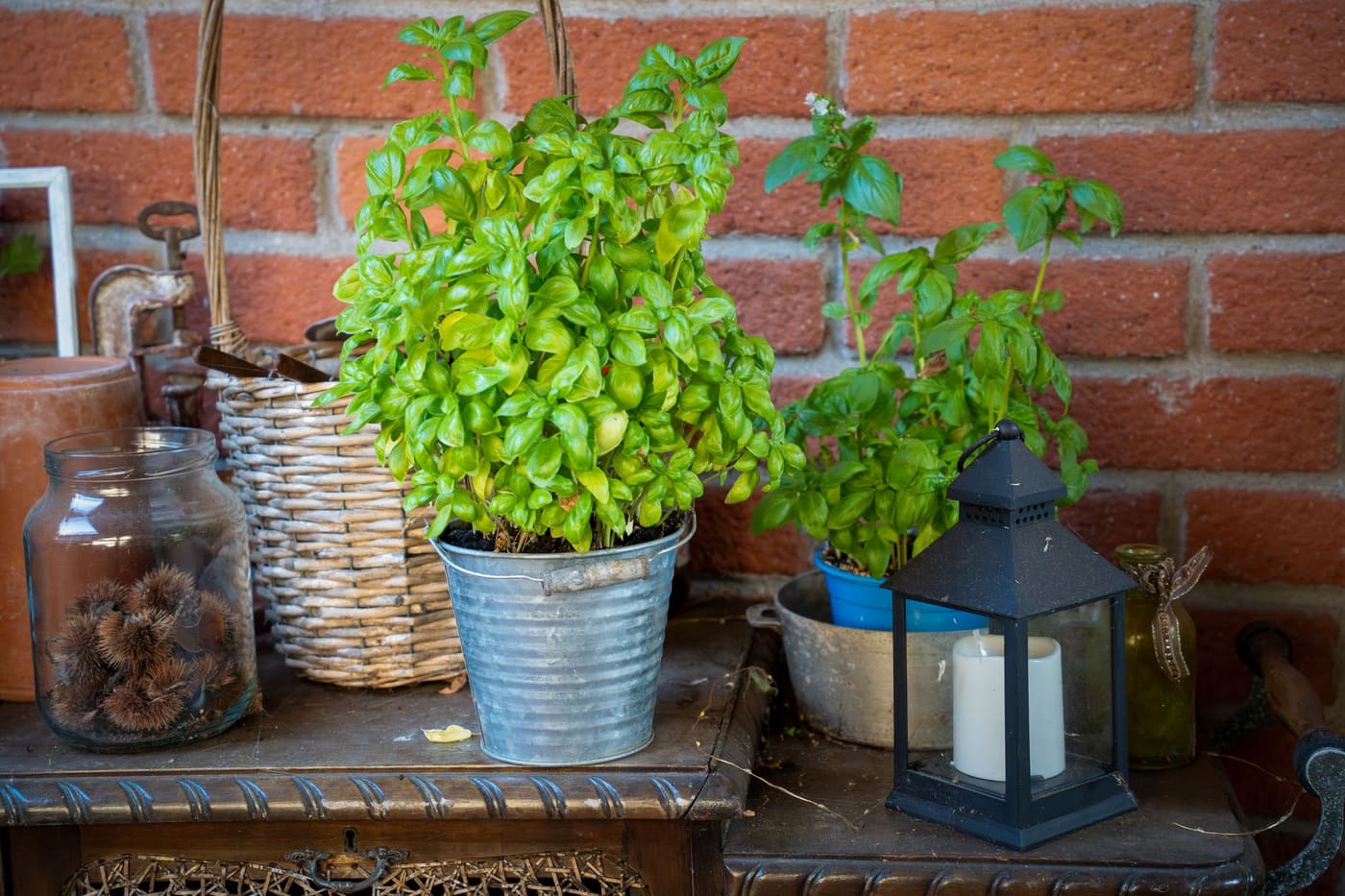
The plants that grow best in containers are herbs, leafy greens, radishes, compact peppers, bush-type tomatoes, bush beans, and annual flowers such as marigolds, petunias, and zinnias, because their roots are small or shallow and their size stays manageable. Match the plant to the pot size, give anything that fruits or flowers about 6 hours of sun, and use real potting mix, and containers can be very productive.
Containers also impose limits. Roots cannot spread, moisture swings are bigger, and nutrients run out faster than in the ground. Plants that sprawl, root deeply, or need a lot of room tend to struggle.
Why containers behave differently from the ground
- Root space is fixed. The plant has only the soil you gave it. A small pot suits dwarf plants and limits large ones.
- Water moves fast. Pots dry out quickly in heat and can stay soggy in rain or poor mix. See how often to water container plants in hot weather.
- Nutrients wash out. Frequent watering leaches nutrients through the drainage holes, so container plants usually need regular feeding.
Heat also builds in pots on patios, balconies, and rooftops, and dark pots in full sun can warm the root zone well beyond the air temperature.
Choose the right pot size
Pot size is the biggest factor in container success. Larger pots hold more water, stay cooler, and give roots room. The sizes below are typical extension-style recommendations; plant tags and seed packets for your variety take priority.
| Plant | Typical minimum container | Notes |
|---|---|---|
| Herbs (basil, parsley, thyme, chives) | About 6 to 8 inches wide | Mint is best alone in its own pot |
| Lettuce, spinach, arugula | Shallow but wide, a few inches deep | Good for window boxes |
| Radishes | About 6 inches deep | Quick crop |
| Bush beans | A few gallons | Several plants per pot |
| Peppers | At least 5 gallons | One plant per pot |
| Compact tomatoes | 5 gallons or more | Cages or stakes needed |
| Large, vining tomatoes | 10 gallons or more, often 15 to 20 | Strong support |
| Compact cucumbers | About 5 gallons | Add a trellis |
| Short carrots | 10 to 12 inches deep | Loose, stone-free mix |
| Annual flowers | About 8 to 12 inches wide | Depends on the plant |
| Strawberries | 8 to 12 inches wide, or hanging | Everbearing types do well |
When unsure, go bigger. A 1-gallon pot holds so little water that it can dry out within hours on a hot day.
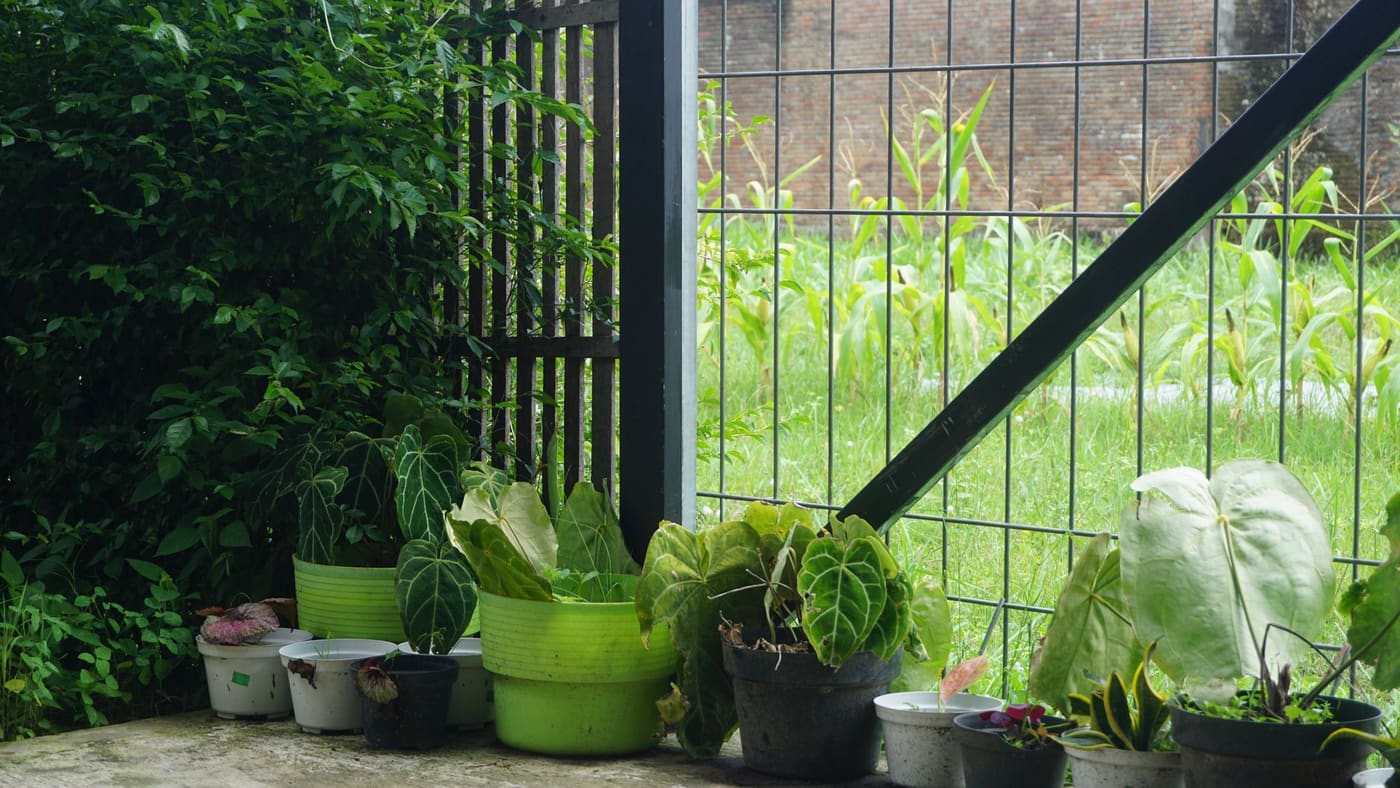
Best vegetables and herbs for pots
Start with plants that are naturally compact or bred for containers. Tags often say “patio,” “bush,” “dwarf,” or “determinate.”
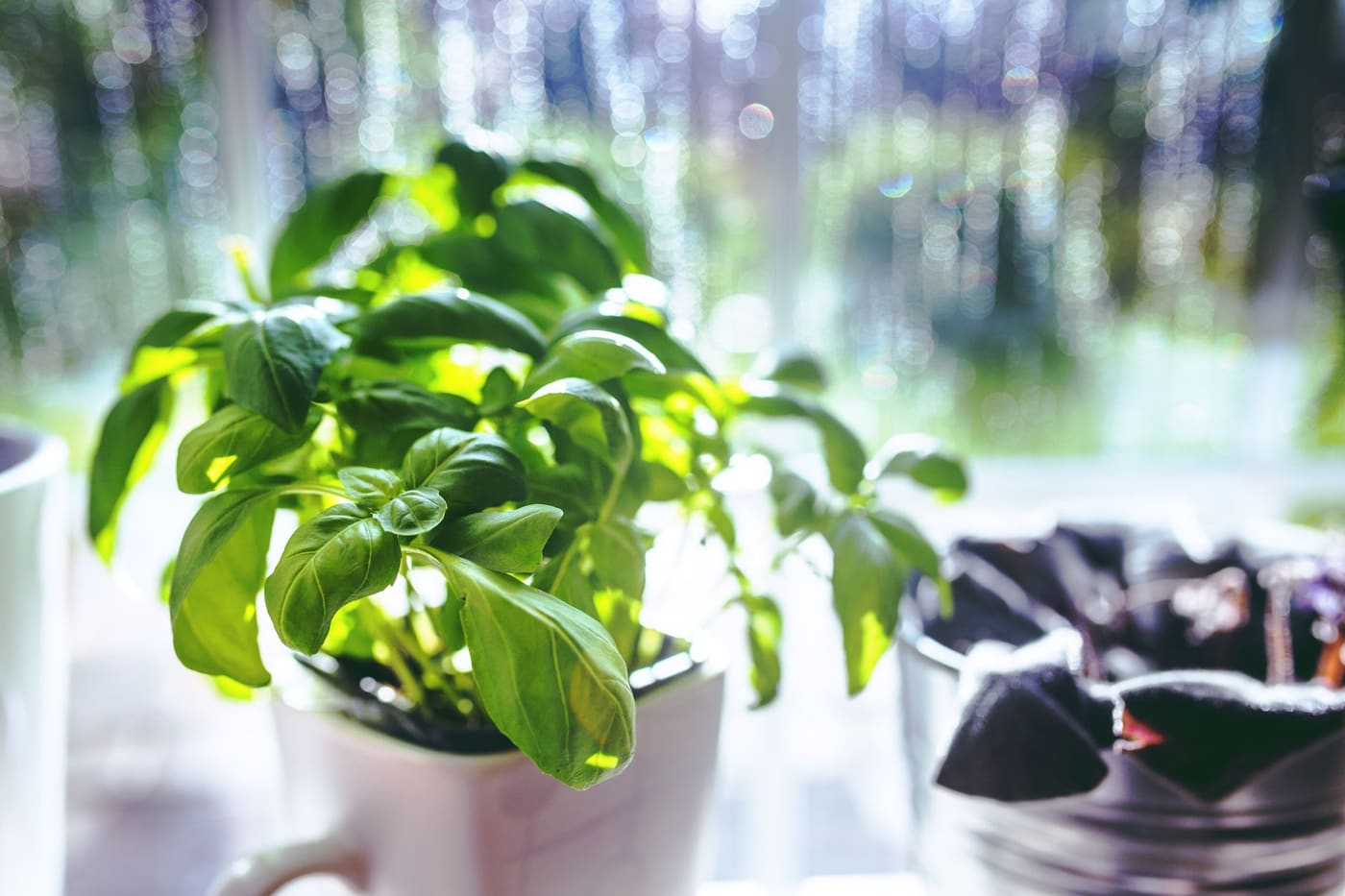
- Leafy greens: lettuce, spinach, kale, chard, and arugula tolerate partial shade and can be harvested leaf by leaf. Sow every few weeks for a steady supply, and move pots to shade in hot weather, when they bolt.
- Herbs: basil, parsley, cilantro, chives, thyme, oregano, rosemary, and sage. Group by need: rosemary, thyme, and oregano prefer drier, leaner mix, while basil and parsley like more water.
- Tomatoes: choose determinate or dwarf varieties for pots; small cherry types are productive and forgiving.
- Peppers: sweet and hot peppers grow well in pots and like heat.
- Root crops: radishes and short carrots work if the mix is loose.
- Beans and cucumbers: bush beans and compact cucumbers produce well with a small trellis.
- Strawberries: do well in hanging baskets and tiered planters.
For more beginner picks, see what beginner gardeners should grow first.
Flowers that thrive in containers
Annual flowers are classic container plants because they bloom hard all season.
- Full sun: petunias, calibrachoa, geraniums, marigolds, dwarf zinnias, lantana, and portulaca.
- Part shade: begonias, impatiens, fuchsia, lobelia, and coleus for foliage.
- Trailing plants: sweet potato vine, bacopa, and sweet alyssum soften pot edges.
- Perennials in pots: hostas, coral bells, and ornamental grasses work in large pots. Roots in pots are more exposed to freezing than roots in the ground, so choose plants rated hardy for a colder USDA hardiness zone than yours, or move pots to a sheltered spot for winter. Your local cooperative extension service can advise on overwintering in your region.
A classic design formula is “thriller, filler, spiller”: one tall focal plant, mounding plants around it, and trailing plants over the edge. Plants sharing a pot should share light and water needs. To keep them blooming, read how to keep flowers blooming longer.
What does not work well in containers
- Large sprawling vines such as winter squash, pumpkins, and watermelon need many square feet.
- Corn needs block planting for pollination.
- Asparagus and rhubarb are better in a bed.
- Large trees. Dwarf fruit trees can work in very large pots but need winter care and plenty of water.
- Mint and other spreaders are fine in pots, which keep them in check, but should stay alone in their pot.
Gardeners often try the largest, showiest crops first and are disappointed. Starting with easy plants builds skill.
Potting mix, drainage, and feeding
- Use potting mix, not garden soil. Potting mix is lighter and more open; garden soil compacts and drains poorly.
- Check drainage holes. Every pot needs at least one. A layer of gravel at the bottom does not improve drainage.
- Fill to within an inch or so of the rim to leave room for watering.
- Feed regularly. Many mixes contain a starter charge that runs out after several weeks. After that, use slow-release granules or a diluted liquid feed on the label’s schedule. Follow label rates, and store fertilizer out of reach of children and pets.
- Refresh each season. Mix in fresh compost or new mix, and do not reuse mix from plants that had disease. For soil basics, see what makes good garden soil.
Sun, placement, and weight
Check how much sun a spot gets before choosing plants. Fruiting plants such as tomatoes, peppers, and cucumbers generally need 6 to 8 hours of direct sun, while leafy greens and herbs get by with less. Walls and pavement can make a spot hotter than expected.
Weight matters on balconies and roofs, since a large pot of wet mix can be very heavy. Check your building’s load limits and rules, and ask your landlord if you rent. Do not block exits or stairs, and secure tall pots and trellises against wind so they cannot tip or fall from height.
Start with a short list. Three or four pots of plants you will actually eat or enjoy are easier to keep alive than a crowded patio of twenty. Containers are forgiving in one way: you can move them, so if a plant struggles, shift it to more or less sun and watch how it responds over the next week.
Matching plants to a small space
If you have only a few pots, think in terms of use. A sunny balcony might hold one large container with a compact tomato and basil, a window box of lettuce and radishes that you re-sow every few weeks, and a pot or two of herbs by the door. A shadier spot suits leafy greens, mint, and parsley more than peppers. Choose one or two plants you will eat often rather than many you will rarely use, and group pots with similar thirst so a single watering round suits them all. When a crop finishes, such as spring lettuce in early summer, use the pot for something that suits the new season instead of leaving the mix empty; local planting windows differ, so your cooperative extension service is the best guide to what to sow when.
To work out how much mix and what pot size a plant needs, use the container size and watering planner.
Where this comes from
This guide draws on published container-gardening guidance from university cooperative extension programs and gardening extension resources, covering suitable crops, container sizes for vegetables, potting mix, drainage and watering, plus general horticultural practice for flowers and design. Pot-size figures are typical recommendations and vary by variety. Prices of mix and containers change, so check current costs, and check your local cooperative extension service for what suits your climate.