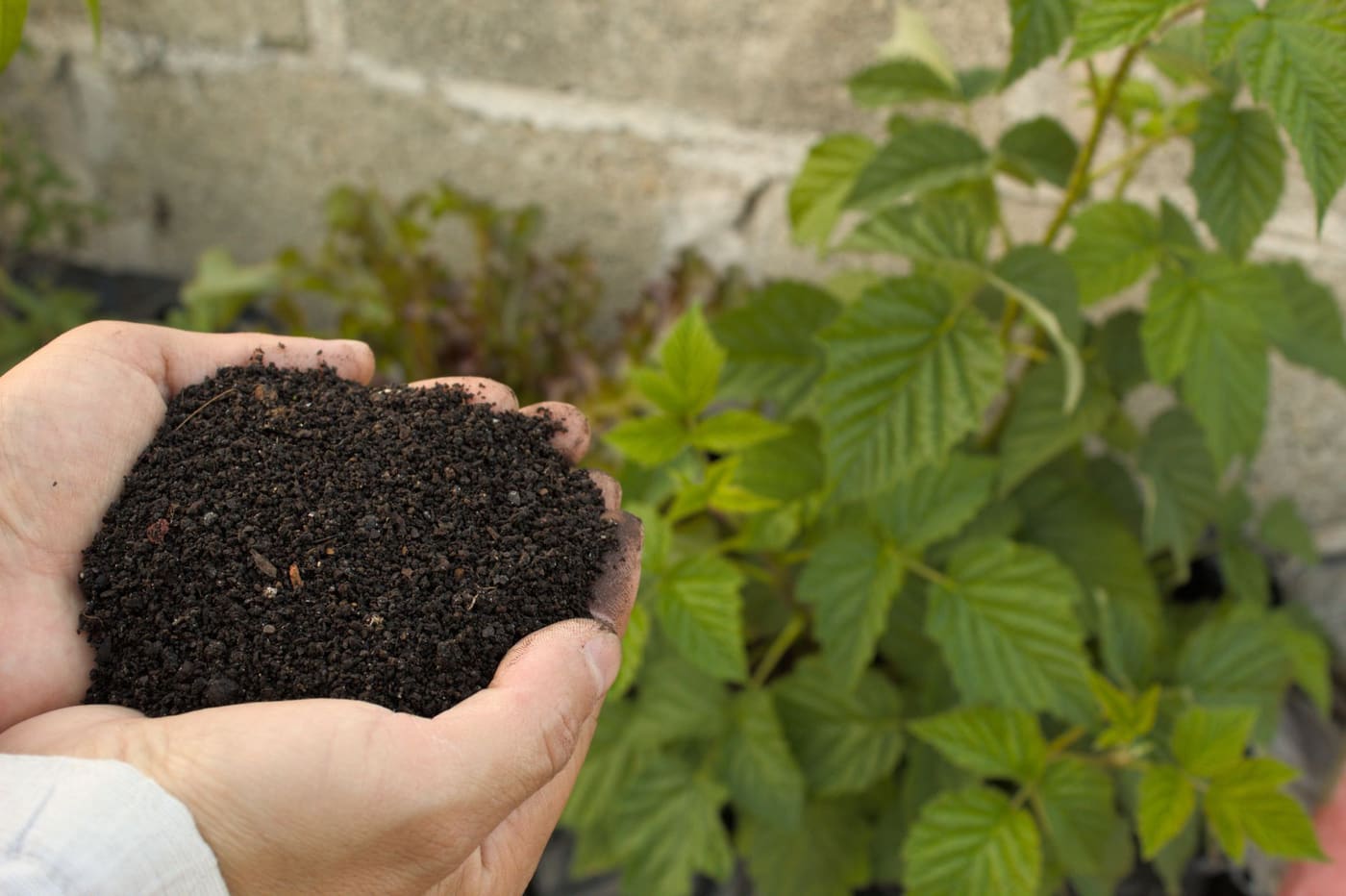
Good garden soil is loose and crumbly, drains well but still holds moisture, contains plenty of organic matter, sits near a neutral pH, and is alive with worms and microbes. In the hand it feels like a dark, crumbly sponge: it clumps when squeezed and breaks apart with a light poke.
Soil sits under every other gardening decision. A plant in healthy soil copes with heat, dry spells, and pests far better than one in compacted, depleted ground. Below are the parts of good soil, how to check yours, and how to improve it without overspending.
The four things soil does for plants
Soil is more than something to hold a plant upright. It anchors roots, holds water that roots can reach between rains, holds air (roots need oxygen from the spaces between particles), and supplies nutrients from minerals and decomposing organic matter. Good soil balances these. Too much water and too little air drowns roots; too much air and too little water starves them. Most soil problems are an imbalance among these four.
Texture: sand, silt, and clay
Soil particles come in three sizes, and the mix is called texture.
- Sand is the largest. It drains fast but holds little water or nutrient.
- Silt is medium and feels smooth like flour.
- Clay is the smallest. It holds water and nutrients well but drains slowly and compacts.
Loam, a fairly even mix of sand, silt, and a smaller share of clay, is the gardener’s ideal, though plenty of excellent gardens grow in soils on either side of it. You cannot change texture much, and replacing clay with sand is impractical, so the usual strategy is to improve structure with organic matter.
A quick hand test helps. Squeeze moist soil into a ball. If it falls apart at once, it is sandy. If it forms a sticky ball and a long ribbon when pressed between thumb and finger, it is high in clay. If it holds together but crumbles when poked, it is likely loam. The ribbon test and a jar test are described in extension guidance and take minutes.
Structure and drainage
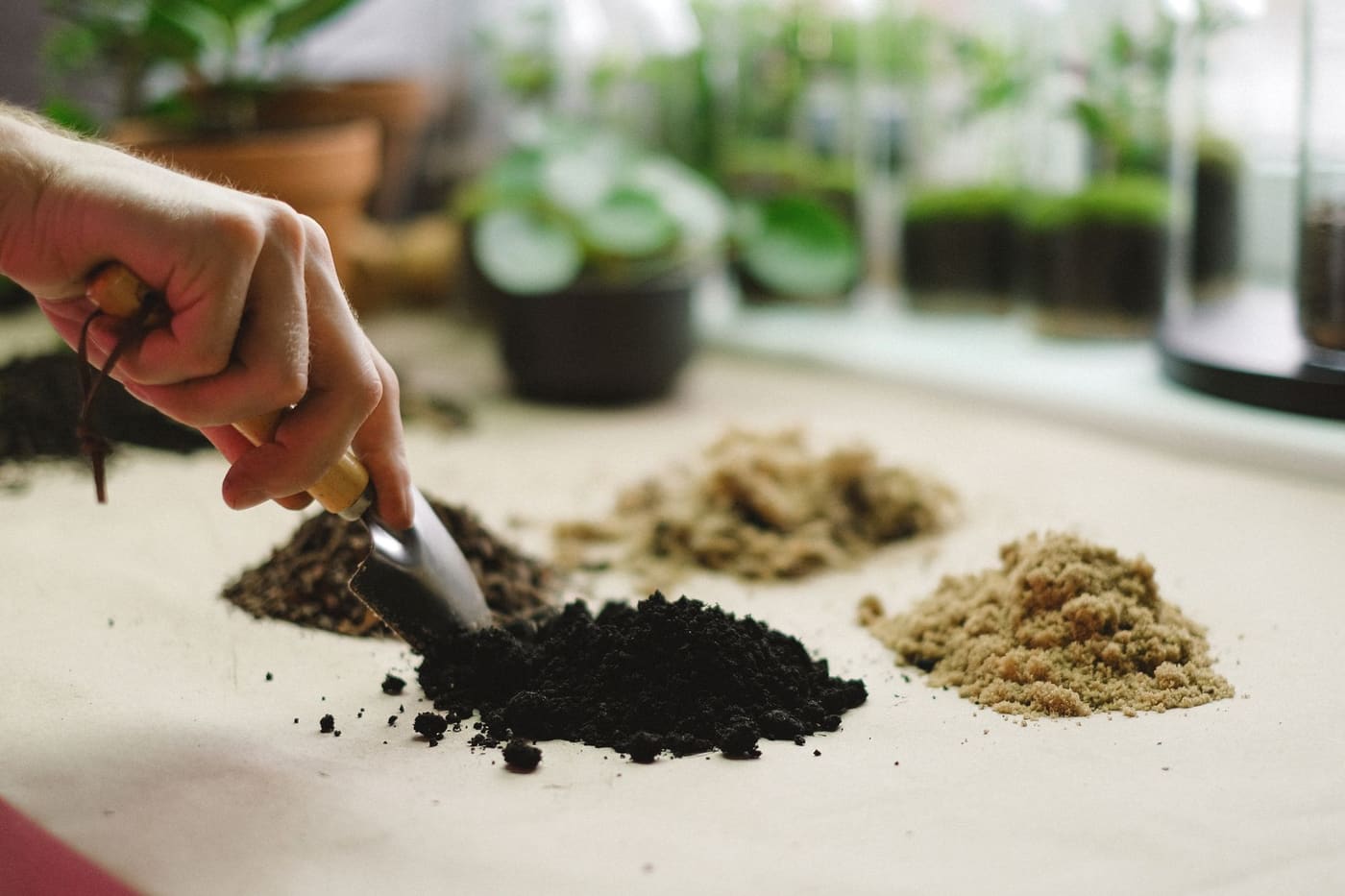
Structure is how particles clump into crumbs, creating spaces for air and water. Good structure matters more than texture alone; even clay can have decent structure when it is rich in organic matter and has not been compacted.
Compaction is the enemy. Walking on wet beds, repeated tilling, and heavy equipment crush the pores. Reduce it by keeping to permanent paths, not working soil when it is wet, adding compost and mulch regularly, and loosening with a garden fork rather than turning the soil over.
To check drainage in a bed, use the percolation method in how to tell if garden soil drains poorly.
Organic matter: the biggest lever
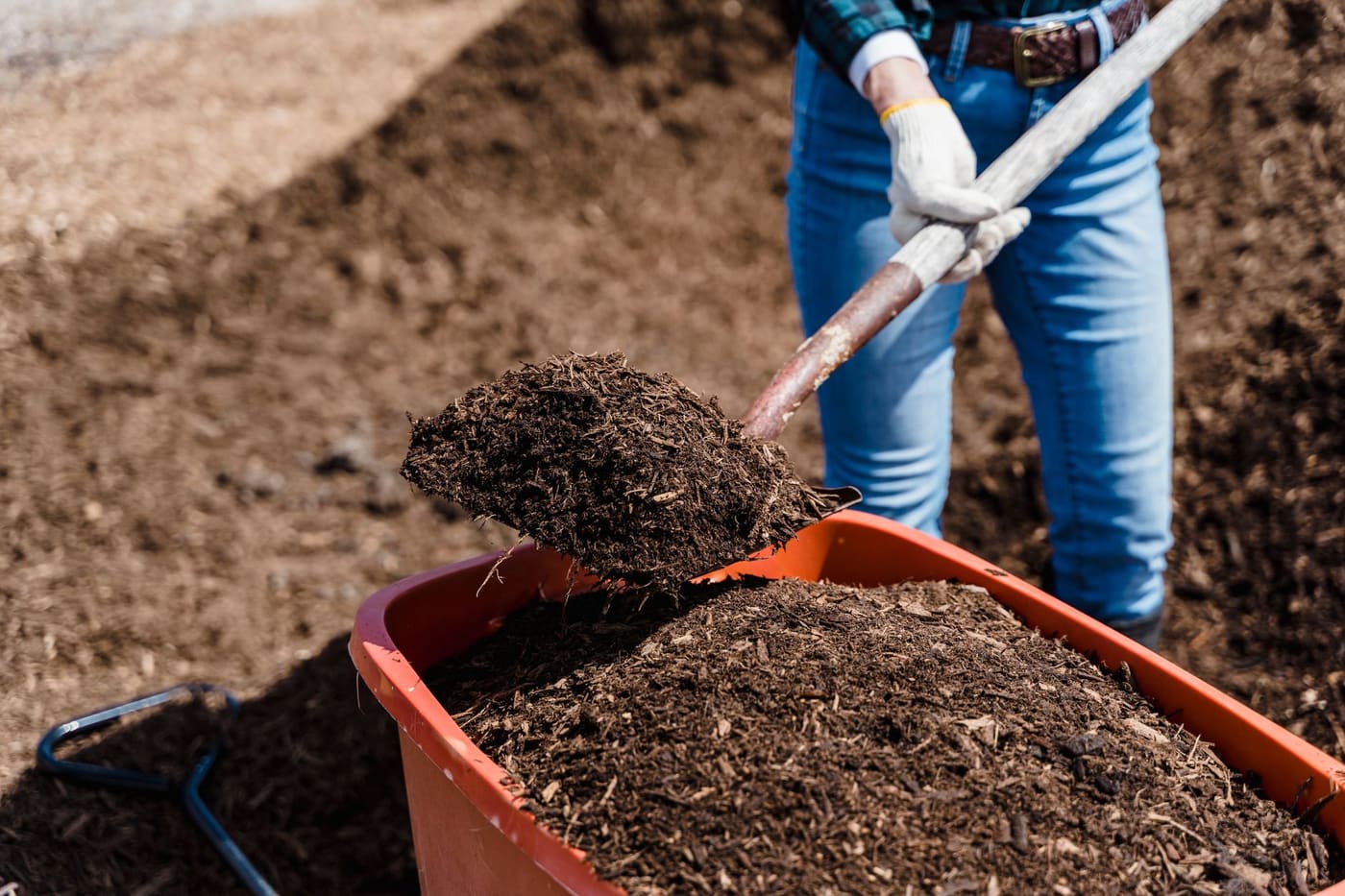
Organic matter is decomposed plant and animal material, and it is the single most useful thing you can add.
| Material | Notes |
|---|---|
| Finished compost | The all-round choice: dark, crumbly, earthy-smelling |
| Aged, composted manure | Rich in nutrients; fresh manure can burn plants and carry pathogens |
| Leaf mold (rotted leaves) | Good for structure and moisture |
| Shredded bark or wood chips | Best as mulch on top rather than dug in, since they can tie up nitrogen while decomposing |
| Cover crops | Plants such as clover or rye grown and then cut down or turned under |
A common routine is to spread an inch or two of compost over beds each year, left on the surface or lightly worked in. Bulk compost from a local supplier is usually cheaper per volume than bagged if you need a lot.
pH and nutrients
Soil pH measures acidity on a scale where 7 is neutral. Most vegetables and flowers do best at slightly acidic to neutral pH, roughly 6.0 to 7.0, where nutrients are most available. Blueberries and azaleas prefer more acidic soil, and a few plants tolerate alkaline conditions.
Plants use nitrogen (leafy growth), phosphorus (roots and flowers), and potassium (overall vigor) in large amounts, and smaller amounts of calcium, magnesium, sulfur, and trace elements. Yellowing leaves can hint at a deficiency but have many causes, including watering and disease; why tomato leaves turn yellow works through one example.
Do not guess at pH or fertilizer. Adding lime or sulfur blindly can overshoot. A lab soil test, available through many cooperative extension offices and private labs, usually costs little and reports pH, organic matter, and nutrient levels with recommendations. A home kit is cheaper but less precise. Take samples from several spots about 4 to 6 inches deep, mix them, and send the amount the lab asks for. Follow label rates on any amendment and keep products out of reach of children and pets.
Test for lead before growing food in suspect ground
Lead can persist in soil near older houses where exterior paint was used before the 1978 US ban on lead paint, near busy roads, and on former industrial sites. If you plan to grow food in such ground, ask your local cooperative extension service or health department about soil testing, and consider raised beds with imported soil as a common safeguard. Wash produce and hands after gardening.
Signs your soil is healthy
You can judge soil without equipment.
- Feel: dark and crumbly, breaking into small clumps rather than slabs or dust.
- Smell: earthy and fresh, not sour or rotten.
- Worms and life: earthworms and other soil creatures turn up when you dig.
- Water: soaks in rather than puddling or running off.
- Roots: plants have well-branched, white roots.
- Plants: steady growth, good leaf color, and fewer problems.
The opposite signs are a hard crust on the surface, clods, standing water, and plants that stall.
How to improve soil step by step
A reasonable plan for a new or tired bed:
- Test the soil and check drainage.
- Clear weeds and debris. To smother grass, lay cardboard and a thick layer of compost or mulch instead of tilling.
- Loosen compacted soil with a garden fork, working when it is moist but not wet.
- Add compost across the bed.
- Adjust pH only if the test calls for it, following the lab’s recommendation.
- Mulch with a few inches of straw, shredded leaves, or wood chips to protect the surface.
- Keep it covered. Bare soil loses structure and nutrients, so plant cover crops after harvest.
- Repeat each year.
Raised beds filled with a topsoil and compost blend are a fast alternative for poor ground. Look at a supplier’s mix before you buy and avoid anything with an odd smell or large chunks of debris.
Soil for containers and timing
Container plants need a light, well-draining potting mix rather than garden soil, which compacts in pots; see what grows best in containers. Soil temperature also affects planting: cold, wet soil slows seeds and roots, so many crops should wait until it warms. When to plant a vegetable garden covers timing by soil warmth and your local frost dates.
Where this comes from
This guide is based on published soil-health and home-gardening guidance from university cooperative extension programs on soil texture, organic matter, pH and soil testing, and on public-health advice about testing garden soil for lead. Typical organic matter levels, pH ranges and test costs vary by region and lab, so check with your local cooperative extension service and the lab’s own instructions.