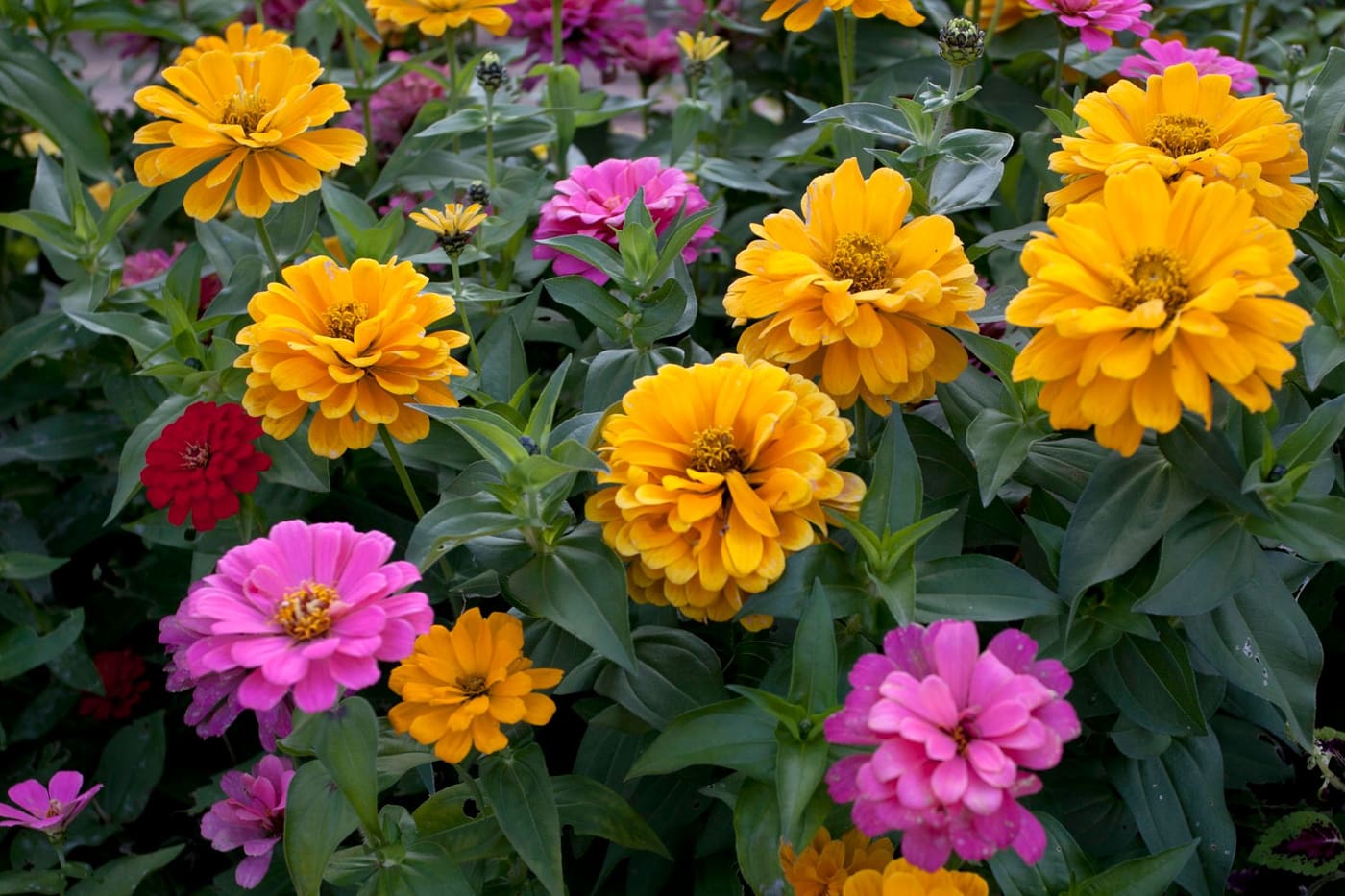
Flowers bloom longer when they get enough sun, steady water, regular removal of spent blooms, and a light hand with fertilizer. Deadheading, which means snipping off faded flowers, is the most useful habit for many annuals and repeat-blooming perennials, because it stops the plant from switching its energy into making seed.
A plant’s goal is to set seed. Once a flower fades and seed starts to form, many plants slow down or stop making new buds. Everything that extends bloom works by delaying that switch or by keeping the plant healthy enough to keep producing.
Start with the right light
Most flowering plants need roughly 6 hours of direct sun a day to bloom heavily. Full-sun annuals such as zinnias, marigolds, petunias, and cosmos turn leggy with few flowers in shade. Plants labeled “part shade” generally want about 3 to 6 hours, often with relief from hot afternoon sun. Shade-tolerant plants such as impatiens bloom with less, though few thrive in deep shade.
Track the light in your garden for a day, noting which spots are sunny at different hours. A bed that was sunny in April may be shaded by leaves by June. If a plant makes plenty of foliage and few flowers, check light before blaming fertilizer or water.
Deadhead the right way
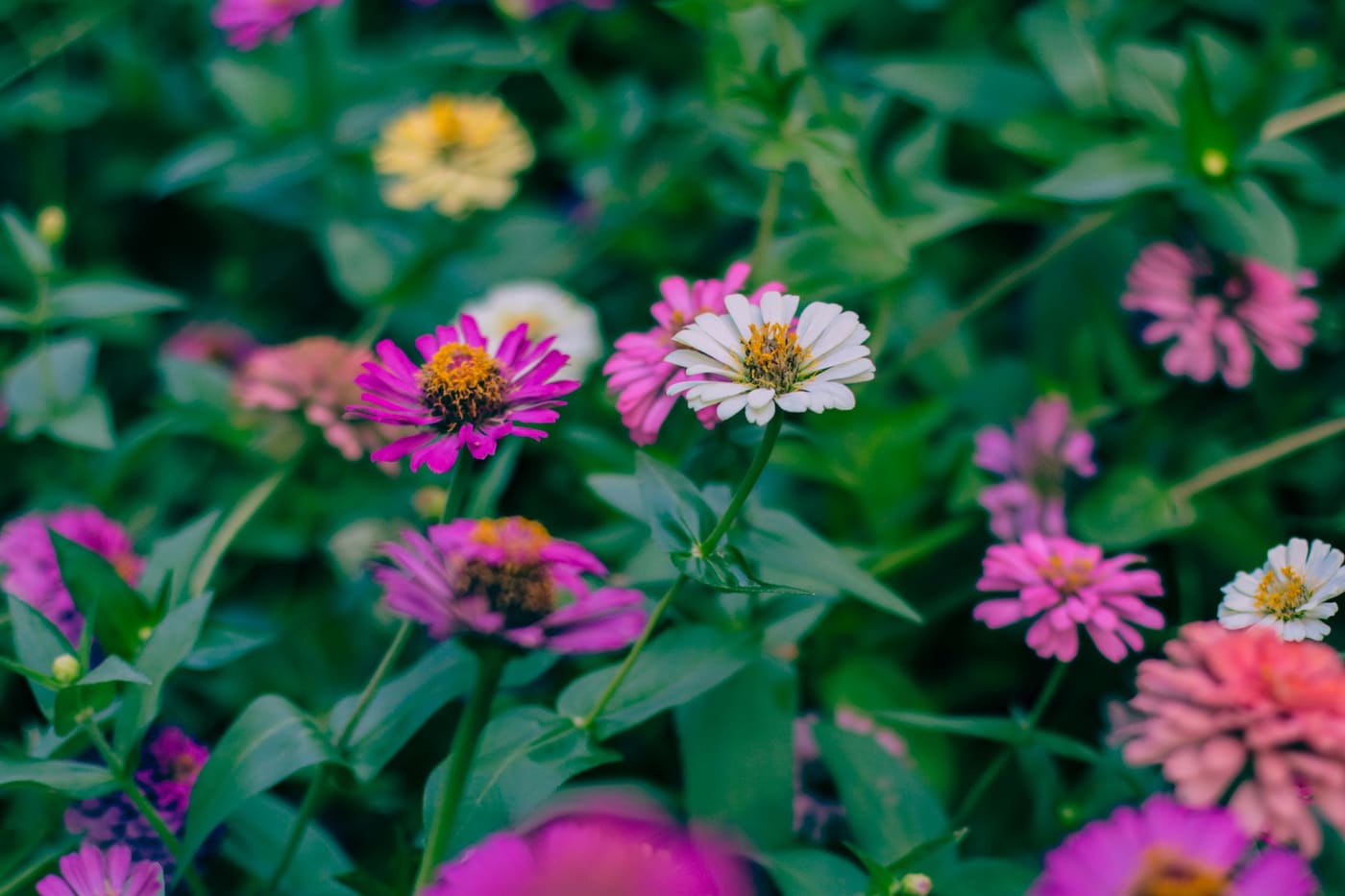
Deadheading works best on plants that bloom repeatedly through the season. The cut depends on how the plant flowers.
- Single flowers on a stem (marigolds, zinnias, coneflower): snip the stem just above the first set of healthy leaves or the next side bud.
- Flower clusters (geraniums, petunias): remove the whole faded cluster at its base.
- Spikes (salvia, delphinium, foxglove): cut the main spike after most blooms fade. Side shoots often bloom afterward.
- Roses: cut back to a leaf with five leaflets, just above an outward-facing bud.
Use clean, sharp snips, and wipe the blades between plants if you are cutting any that show signs of disease. A few minutes a couple of times a week is enough for a modest bed.
Do not deadhead everything. Some plants bloom once and look better with their seedheads, and some varieties sold as “self-cleaning” need little help. Coneflower and rudbeckia can be left to set seed late in the season, which feeds finches and gives you seedlings next year.
Pinch and cut back for more branches
Pinching young plants early creates more stems, and more stems carry more flowers. When a young annual such as a zinnia, snapdragon, or cosmos has three or four sets of leaves, pinch out the growing tip just above a leaf set. Each stem below will branch. Expect a short delay in the first bloom and a much fuller plant.
For plants that look tired in midsummer, a hard cutback often restarts them. Petunias, calibrachoa, and sweet alyssum that have gone leggy can be sheared back by roughly a third to a half, then watered and fed lightly. Many return to bloom within a few weeks. Some perennials, such as catmint, salvia, and hardy geraniums, respond the same way.
Water for steady growth
Irregular watering can cause buds and flowers to drop. As a general guide, garden flowers do well with about 1 inch of water a week from rain and irrigation combined, and more in sandy soil or heat. Water deeply a couple of times a week rather than a little every day, which encourages deeper roots.
Water at the base rather than over the blooms, since wet petals and foliage invite spotting and fungal problems. A 2 to 3 inch layer of mulch such as shredded bark or leaf mold keeps soil evenly moist and cooler; keep it a couple of inches back from stems.
Flowers in pots dry out much faster. See how often to water container plants in hot weather for a method that follows the pot rather than the calendar, and how to revive wilted container plants if one has already collapsed.
Feed carefully, not heavily
Fertilizer is where many gardeners go wrong. Too much nitrogen gives lush green growth at the expense of flowers, so a large, dark green plant with no blooms may be overfed. The three numbers on a fertilizer label are nitrogen (leaves), phosphorus (roots and flowering), and potassium (general vigor). A balanced fertilizer or one labeled for blooms is usually fine.
| Plant situation | Typical approach |
|---|---|
| Annuals in beds with decent soil | Mix in compost at planting; feed lightly only if growth looks pale |
| Annuals in containers | Slow-release granules at planting, or diluted liquid feed on the label’s schedule |
| Established perennials | Compost on top in spring, little else |
| Bulbs after bloom | Leave the foliage to die back naturally |
Always follow the label rate. More is not better, and extra fertilizer can burn roots and wash into waterways. Keep fertilizers stored out of reach of children and pets. A soil test, often available through a county cooperative extension office, shows what your soil actually lacks; healthy soil does much of the work, as described in what makes good garden soil.
Choose plants that bloom long
Some plants simply have longer bloom windows, and choosing them matters as much as care.
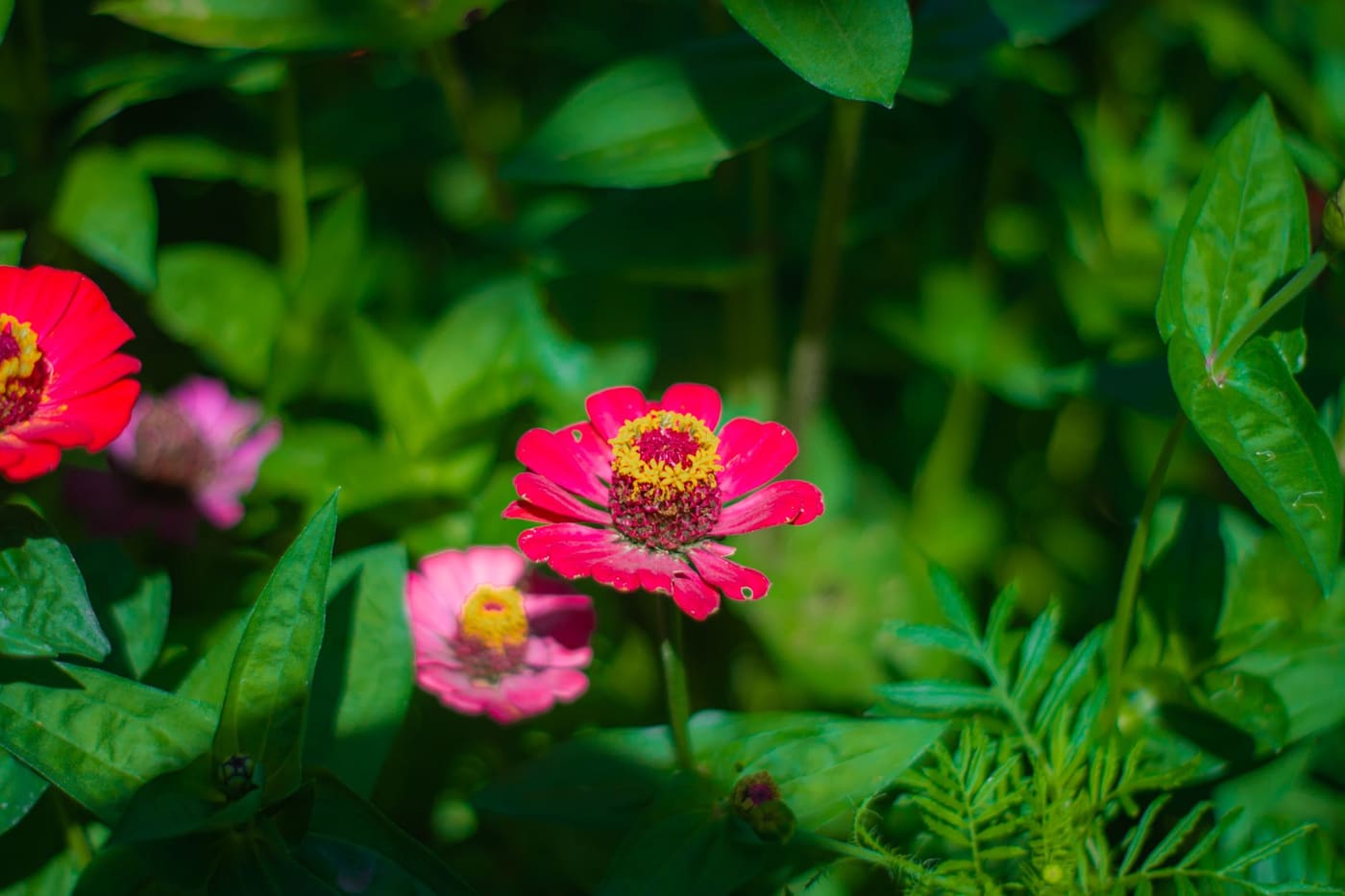
- Long-blooming annuals: zinnias, marigolds, cosmos, petunias, calibrachoa, sweet alyssum.
- Long-blooming perennials: coreopsis, catmint, salvia, hardy geranium, coneflower, and daylilies sold as reblooming.
- Repeat-blooming shrubs: many modern roses and hydrangeas labeled as reblooming.
For a long season, mix early, middle, and late bloomers: bulbs in spring, peonies and iris in early summer, coneflower and daylilies in midsummer, and asters and sedum in fall. Which plants perform when depends on your region, so ask your local cooperative extension service or a local nursery, and check your USDA Plant Hardiness Zone Map zone before buying perennials. For pots, see what grows best in containers.
Pet safety matters when you pick plants. Spring bulbs such as tulips and daffodils are toxic to dogs and cats if dug up and chewed, and daylilies and true lilies can be seriously harmful to cats. If you have pets, check any plant against a reliable pet-toxicity list or ask your vet before planting it where animals roam.
When healthy plants will not bloom
If plants look healthy but do not flower, work through the likely causes.
- Too little light. Move the plant or choose a shade-tolerant one.
- Too much nitrogen. Stop feeding and let growth balance out.
- Heat stress. Cool-season flowers such as pansies and snapdragons slow down in hot weather. Give afternoon shade or swap in heat lovers.
- Crowded roots. Container plants and old perennial clumps may need repotting or dividing.
- Pruning at the wrong time. Spring-blooming shrubs such as lilac and forsythia form buds the previous summer, so cutting them in fall or winter removes the flowers.
- Pests or disease. Aphids, thrips, and spider mites can damage buds. Check leaf undersides and buds, and see handling common garden pests without overreacting for a proportionate response.
A simple weekly routine covers most beds: snip spent blooms, check the soil with a finger before watering, water deeply at the base in the morning, glance at a few plants for pests or discoloration, and cut back anything leggy once a month. Keeping notes on when each plant started and stopped blooming shows you, after one season, which ones respond to a midsummer cutback and which sulk in your afternoon heat.
Where this comes from
This guide draws on published home-gardening guidance from university cooperative extension programs on deadheading, pinching, watering and fertilizing flowers, and on general horticultural practice for plant choice and pruning timing. Pet-safety notes reflect widely published pet-toxicity guidance; confirm specific plants with your vet or a poison helpline. Recommended amounts, bloom times and product labels change and vary by region, so check your local cooperative extension service and the product label.